When people search for “SEO services,” will they find your brand? That’s what branded search is all about. And right now, it matters more than ever.
AI-powered search experiences are reshaping AI search visibility, pushing down informational clicks but driving up the value of recognition and recall. This means SEO professionals who understand branded demand have a huge opportunity to prove how marketing drives business impact. This is closely tied to share of search, which measures how visible your brand is compared to competitors in search results.
In this post, you’ll learn how to track, optimize, and report branded search volume to connect SEO visibility with real-world demand and outcomes.
Branded search is search queries that include your company or product name – essentially search queries with your brand baked right in. Branded queries include your company or product name, while non-branded queries are generic searches related to your category (like “SEO agency” or “best marketing tools”). The difference is simple: non-branded searches help users discover options, while branded searches show they’ve already chosen, or are seriously considering, you.
In an era of ever-growing AI influence over search, users are clicking less on informational content and only searching for brands when they’re ready to take action. This puts greater importance on discovery. But when they’re ready to buy, your branded search numbers tell you how many went directly to you versus researching other options. This is shown simply as:
Audience Awareness > Branded Search > Audience Intent
Tracking branded search traffic lets you measure how many users recognize and remember your brand when they think about a category, and the key benefits of branded search include higher conversion rates, stronger intent signals, and clearer measurement of marketing impact.
As search evolves to favor AI-generated experiences, this will only become more important. That’s why branded search is one of the strongest signals of demand, trust, and recall – it shows not just that users found you, but that they remembered you.
AI Answers, overviews, and conversational browsing are fundamentally shifting search behaviors. Gone are the days where users would click through multiple results pages. Now, they:
The result? Increased zero-click search behavior. Users get the answers they need without clicking a single link.
If this was the whole picture, it would spell trouble for discovery tactics. But there’s another side: When users are ready to take action, where do they search? By brand name.
Zero-click searches are still a search. But they’re happening earlier in the buyer’s journey, meaning awareness is now spread across two inceptions:
In this new era, SEO drives the first point, and branded search volume tells you how many took action.
If you want to improve branded numbers, should you only focus on branded search? No, definitely not.
While branded queries are inherently more qualified than non-branded ones, both provide valuable signals for the health of your SEO strategy.
Think of it this way: Non-branded searches are all about discovery. Brand searches represent demand.
Running an SEO campaign without considering how discovery connects to your branded searches is like ignoring half of the customer journey.
Conversely, you can’t expect your brand to be top-of-mind if you never introduce your brand to potential customers.
By linking SEO visibility to branded demand, you put yourself in position to measure, attribute, and report on how SEO drives marketing and business results.
Strong SEO creates a bridge between the two – users discover you through non-branded queries, then return later through branded searches when they’re ready to act.
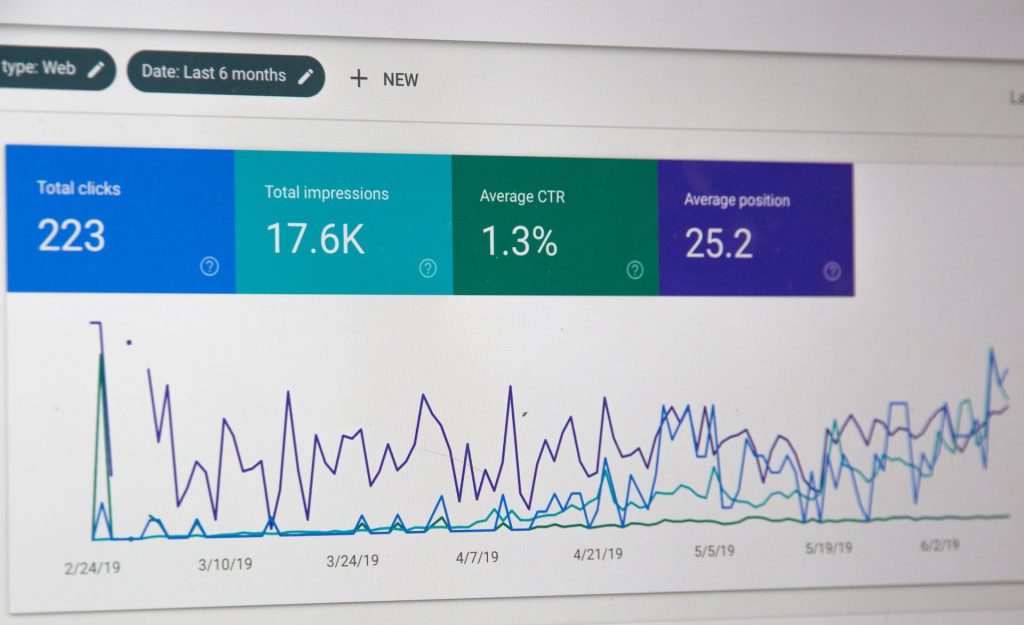
Thankfully, Google offers an easy way to use the Search Console branded queries filter to separate branded vs non-branded search queries. You can use this tool to:
From there, you’ll want to track common SEO metrics like impressions, clicks, CTR, and analyze the trend line to ensure steady growth month over month.
Likewise, you can compare this data to non-branded searches to determine how many users are discovering your brand versus searching directly.
But while Search Console tells you how many searched for your brand, it doesn’t measure what happens after they click. Luckily, that’s where Google Analytics 4 and HubSpot come in.
Search Console shows how users search, but it doesn’t show what they do next. That’s why it’s not enough on its own. Google Search Console is great for measuring searches, but it’s not the only tool you’ll want to use. Tie your Search Console data with GA4 (or HubSpot), and you can measure how branded search queries affect lead and pipeline generation.
Specifically, you’ll want to look at:
GA4:
HubSpot:
By using GA4 and HubSpot, you can bridge the gap between SEO visibility and the ultimate business results that matter to your stakeholders. You can also explore our article on GEO & LLM Metrics: How to Measure AI Search Visibility Using GA4.
Many of these touchpoints fall under brand awareness SEO, where visibility across content and search builds long-term recognition.
There’s no silver bullet for increasing branded searches. At scale, branded search volume is impacted by everything you can do to increase exposure and familiarity with your brand. This includes:
The list goes on.
The common theme is simple consistency. Users won’t remember your brand if they only see it once. Branded searches come from showing up, again and again.
Branded demand is rarely the result of one tactic – it’s the outcome of repeated visibility across multiple channels.
Not all branded traffic means growth. Some of it is passive – existing customers or direct navigation. What you’re looking for is expansion in awareness.
If you want to grow branded queries, it starts with measuring if your SEO strategy is creating demand in the first place.
You can identify growing brand demand by:
Together, these channels form the foundation of brand demand generation, where repeated exposure turns awareness into search behavior.

Here are the most common ways teams get branded reporting wrong:
As fun as it would be to build an all-encompassing dashboard, branded reporting can be boiled down to a monthly checklist.
Every month, track the following:
Compare month-over-month trends, then analyze your branded vs non-branded performance and determine SEO’s contribution to branded searches vs other channels. Bonus points if you can connect SEO to actual leads and pipeline.
Growing branded search isn’t impossible. But if you throw endless money at it without strategy, you’ll quickly lose budget. Today, brand demand isn’t separate from search strategy – it’s a core part of it. Here’s what’s actually required to grow your branded queries:
The easiest way to grow branded search is by staying top-of-mind within search. Regularly publish SEO content that answers questions customers are searching for. Over time, your content keeps your brand visible any time someone searches for your category.
SEO alone isn’t enough to consistently grow your branded queries. Make sure to distribute your content everywhere else. Turn blog posts into social content and newsletters. Use repurposing to get your message in front of more eyes, as more eyes equates to more recognition when someone does search.
Blend in at your own risk. If all your competitors do is publish blog posts, consider other channels to spread your message. Podcasts, videos and webinars are all great.
Differentiate your messaging so users remember more than just your services. Don’t forget that they remember your voice, too.
Lastly, ensure you’re connecting SEO visibility to branded searches and conversions and do the same for marketing efforts outside of SEO. That way, you’ll know exactly how your brand demand is growing across channels.
Branding isn’t built overnight. It requires months of effort before you start to see tangible results. Focus on long-term consistency across channels and your branded demand will grow with time.
Ready to start building your SEO strategy from scratch?
You can start by booking a free discovery session with WiRe Innovation to get started.
AI is killing clicks. But it’s increasing the value of recognition, trust, and intent.
That’s why branded search is quickly becoming one of the best performance indicators. If you optimize for SEO rankings and user intent, your branded searches will tell you exactly how many customers searched directly for you versus going with a competitor.
Searchers are discovering you in AI-powered search, but they’ll convert with you when it matters most – by searching for you directly.
Optimize for discovery. Then optimize for recall because branded search ultimately drives action.
Branded search refers to search queries that include a brand name.
Branded search contains your brand name. Non-branded search refers to any search queries related to your industry but do not directly reference your brand.
AI is killing traditional clicks but increasing the importance of recognition and intent. Branded search queries indicate intent to your specific brand.
Yes, AI search experiences can cause zero-click searches where a user finds an answer without clicking a single result.
In Google Search Console you can use the branded queries filter in the search analytics section.
Typically, yes. Because users typed in your brand, they’re more likely to convert than a non-branded visitor.
Yes! When you frequently show up in search results, you grow familiarity. Eventually, that could lead to more branded searches from users.
Definitely. Separating these metrics allows you to easily compare recognition versus demand.